Block B, Baohui Industrial Park, No. 66 Shuotai Road, Lihu Community, Xinhu Street, Guangming District, Shenzhen
Wechat
WhatsAPP
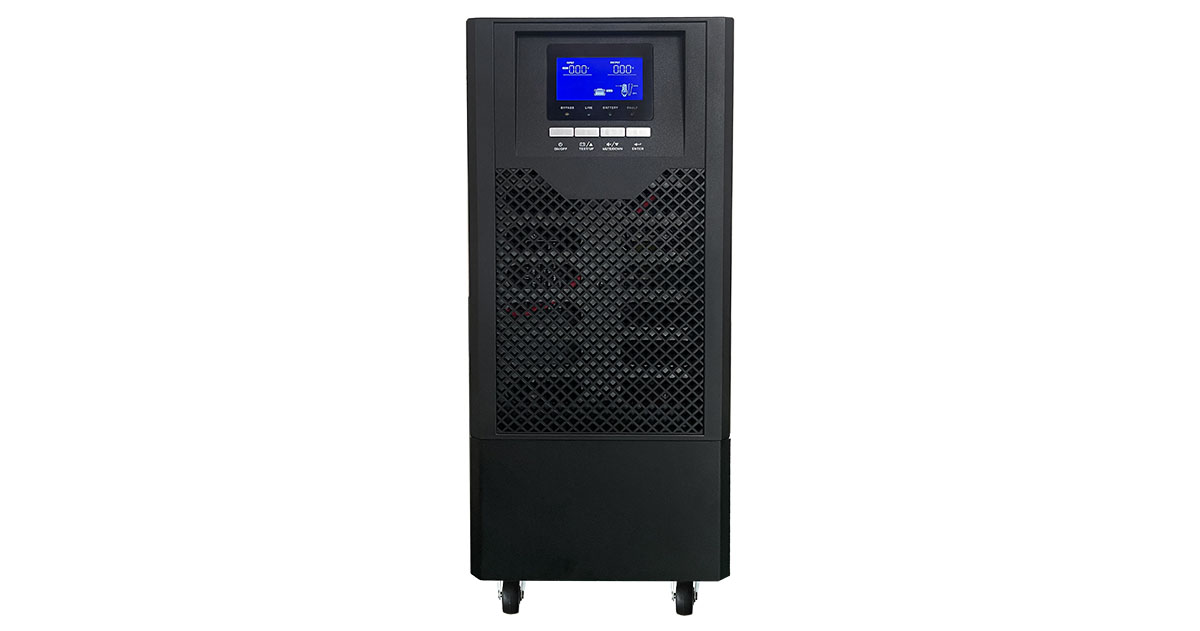
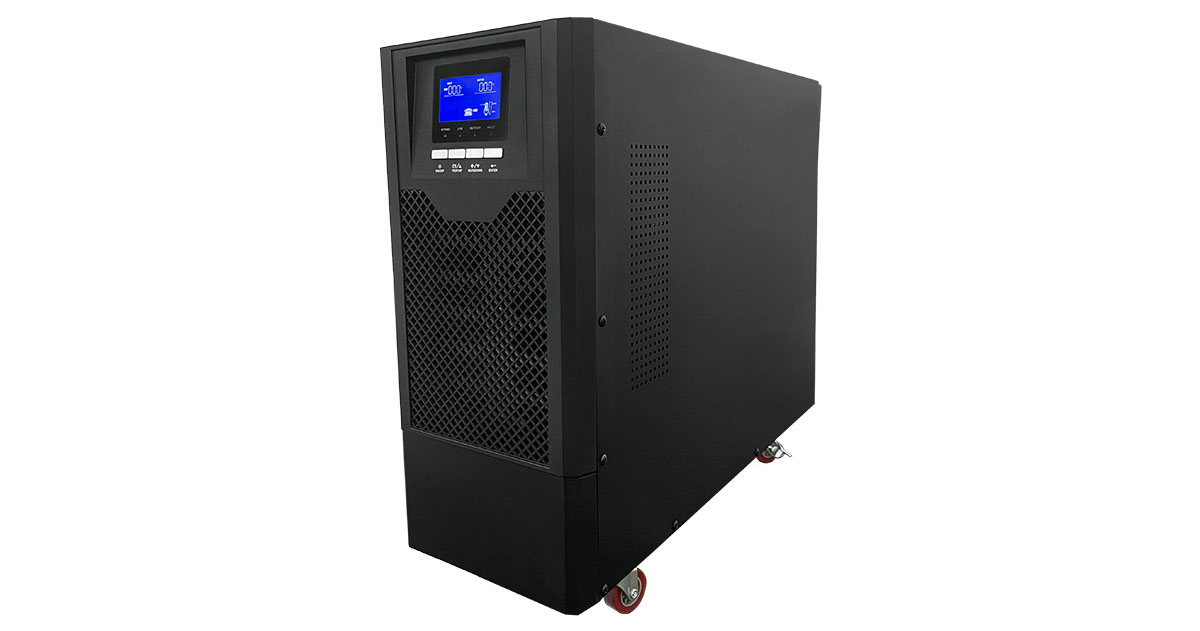
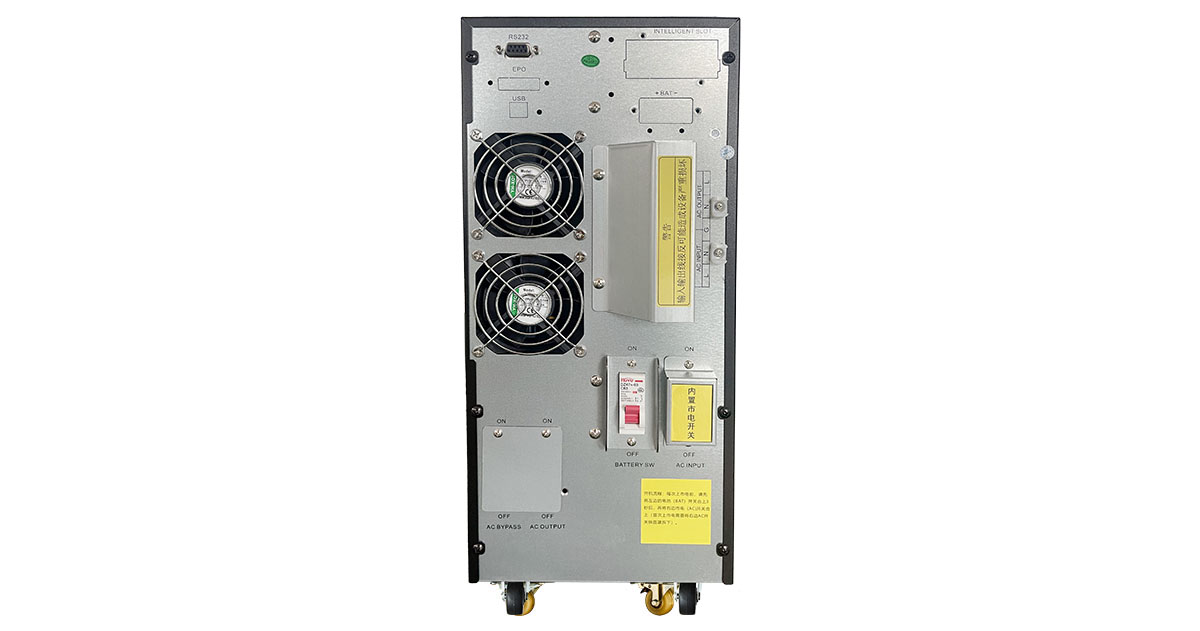
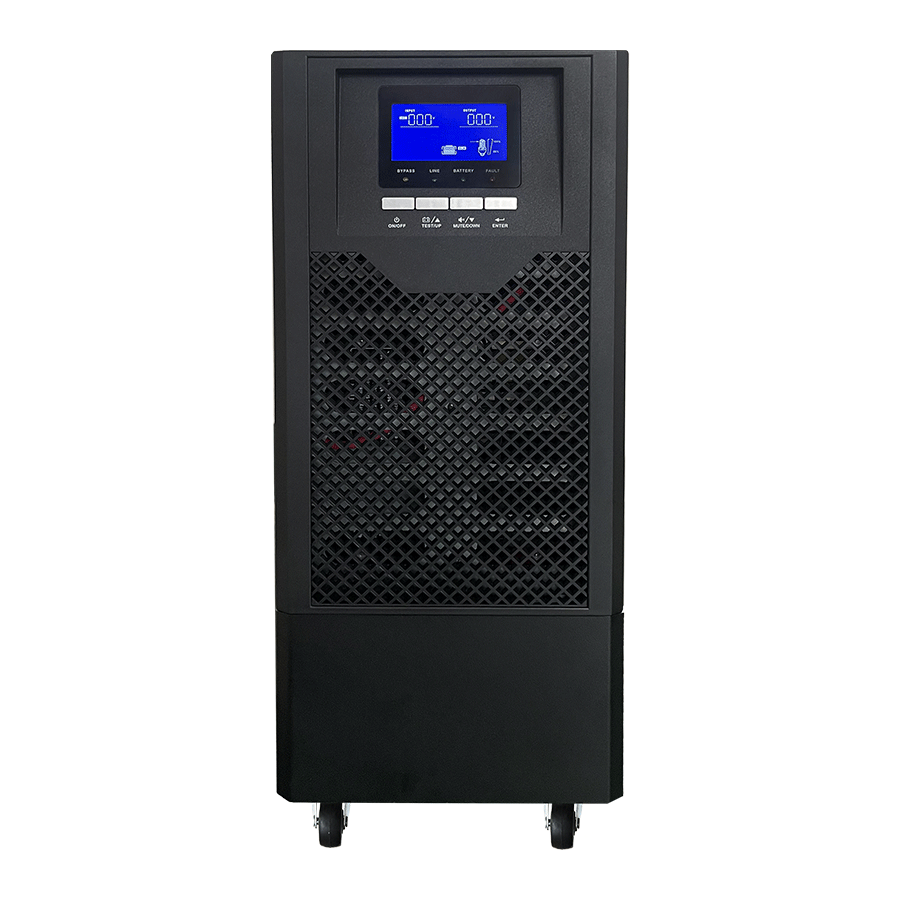
High-frequency UPS (Uninterruptible Power Supply) is a device that utilizes high-frequency conversion technology to transform direct current into alternating current.
The high-frequency UPS power supply adopts high-frequency switching technology and achieves energy conversion through IGBT high-frequency rectification and inverter circuit, without the need for an uninterruptible power supply system with built-in power frequency isolation transformer.
Industrial
Automation
Data Center
Communication
Base Station
Medical
Equipment
| Model | KHZ-HB11-10KVA | |
| Capacity | 10KVA | |
| Input | Wiring | 1L+N+PE |
| Rated Voltage | 208/220/230/240Vac | |
| Frequency Range | 40~70Hz | |
| Input Power Factor | ≥0.99 | |
| Output | Wiring | 1L+N+PE |
|
Rated Output Voltage |
208/220/230/240Vac | |
| Voltage Regulation | ±1% | |
| Output Frequency | 50/60±4Hz(Sync Mode) / 50/60Hz±0.1%(Free Run) | |
| Waveform | Pure Sine Wave | |
|
Distortion (THDV%) |
<2%(Linear Load) | |
| <7%(None-Linear Load) | ||
| Over load capability | 1Min@105%~125%Rated Load | |
| 10Sec.@125%~150%Rated Load | ||
| 0.5Sec.@>150%Rated Load | ||
| Efficiency | Line mode | 88% |
| Battery Mode | 86% | |
| Battery & Charger | Rated Battery Voltage | 192 |
| Battery Capacity | 12V 7AH*16 | |
| install | built-in | |
| Backup Time | >6mins@ Half Load | |
| Charging Current | Standard Model with Internal Battery:1A | |
| Long Backup Time Model :4A | ||
| HMI | LCD Display | Input Mains Voltage, Frequency, Load level, Operation Mode, Health Status |
| Communication interface | RS232(Customizable) | |
|
Optional Extension Card |
Optional network monitoring card, support PC, mobile phone remote monitoring, MODBUS, dry contact card | |
|
Operating Environment Endurance |
Temperature range |
-10~45℃ |
|
Relative Humidity |
0-98%(Non-condensing) | |
| Acoustics Noise | <50dB @ 1 meters | |
| Physical | Chassis Style | Tower |
| Dimensions (W×D×H) | 190*470*534mm | |
| Weight | 47.5Kg | |
When utility power is normal, the UPS provides power to connected equipment, and charges its internal battery.
A few key points shall be considered when selecting a UPS based on individual needs.
How much power is needed?
The UPS must be able to handle the total power load of the equipment that requires protection. It is recommended that the output watt capacity of the UPS is 20 - 30% higher than the total wattage of its connected equipment.
How much runtime is needed?
Runtime is the amount of time the UPS can provide battery power for connected equipment when utility power fails. Note that adding more equipment loads will shorten the runtime.
How much capacity is needed?
As business expands, more equipment may need power protection, thus UPS capacity may need to be reserved at first. Use the equipment's power load and required runtime to calculate the suitable reserved capacity.
Choose a UPS with voltage input that is equivalent to the input power of the equipment. The applicable UPS voltage differs by country, so it is vital to select the UPS with the corresponding voltage level.
Select the topology based on power needs. There are Standby, Line-Interactive or Online topology for UPS. The decision depends on the level of power protection and energy efficiency required.